lihaoyi/macropy. From my old Lisp days, I'm still a fan of macros - simply because configurable programming languages allow for a significantly higher level of description. Okay, this often comes at the expense of understandability, because a reader not only has to know the language and the libraries, but now also the macros. Nevertheless, for some purposes I still find macros very practical. Whether I would want to integrate them into Python, as this project does, I'm not sure yet - but the approach via the AST is at least interesting.
Archive September 2013
Tokens zum Ausdrucken is the alternative to making them yourself with the designer - simply select the appropriate tokens and print them. You can even collect several and print them together. Advantage: they are the original tokens in terms of design. Disadvantage: they are the original tokens in terms of design (sometimes you want to be a bit more individual). And only tokens, not any card proxies or homemade creations.
Welcome | Magic Set Editor. Create your own Magic cards - on the one hand ideal for creating tokens, or also for proxies (as long as they are accepted in the game round), or of course also for your own creations that you want to play with (this also only works, of course, if your own game round agrees). Use slightly stiffer, springy cardboard (or original cards - e.g. basic lands) and cut out the prints and glue them on, then put them in the sleeves and you're ready to go.
Magic Plugin for LackeyCCG. Drin was drauf steht - a plugin that allows MTG under LackeyCCG.
LackeyCCG - Play any CCG Online, or make your own. Mac or PC.. Looks interesting, an alternative to Cockatrice and allows playing any CCGs over the Internet, not just MTG. Just like with Cockatrice, only the game table and the cards are simulated - players must ensure compliance with the rules themselves. Therefore, not a real competitor to the Magic Online client - but of course much cheaper, as you simply use cards and do not buy them. And it runs on Win, OSX and Linux.
Zim - a desktop wiki. Since I'm working with Windows again, maybe it's time to either port my own desktop wiki again (sounds like work) or use another one that offers similar features. Zim looks quite good and is quite portable on the desktop - but I would probably have to adapt my Android app. Hmm. Sounds like work too ...
FriCAS - an advanced CAS. I've lost track of it a bit - FriCAS is formerly Axiom, a quite extensive mathematics package like Mathematica, written in Common Lisp. Available for various systems, somewhat rough in the interface (just a command line), but very powerful. And somewhat more modern than perhaps Maxima (whereas for Maxima there are GUI options, I have no idea what FriCAS has to offer). Like every decent open source project, it is of course only a fork of a fork - under Open Axiom there is another project and under Axiom the original code is continued. Although for me, since Sage (and actually even much more since Anaconda and IPython Notebooks), all of this has become less relevant - in general, my requirements are at a much lower level and are already covered by the libraries available via IPython and Python. Of course, Mathematica and similar are still interesting - but the motivation to start the packages and to enter the rather different syntax world is rather low. Python has long since achieved the good-enough status.
Python Data Analysis Library — pandas: Python Data Analysis Library. Hmm, I must have heard of this before, but I just noticed that it's included in Anaconda. And therefore, I should really look into it soon, as there are some data deserts that I could explore with it.
Recently on the Internet
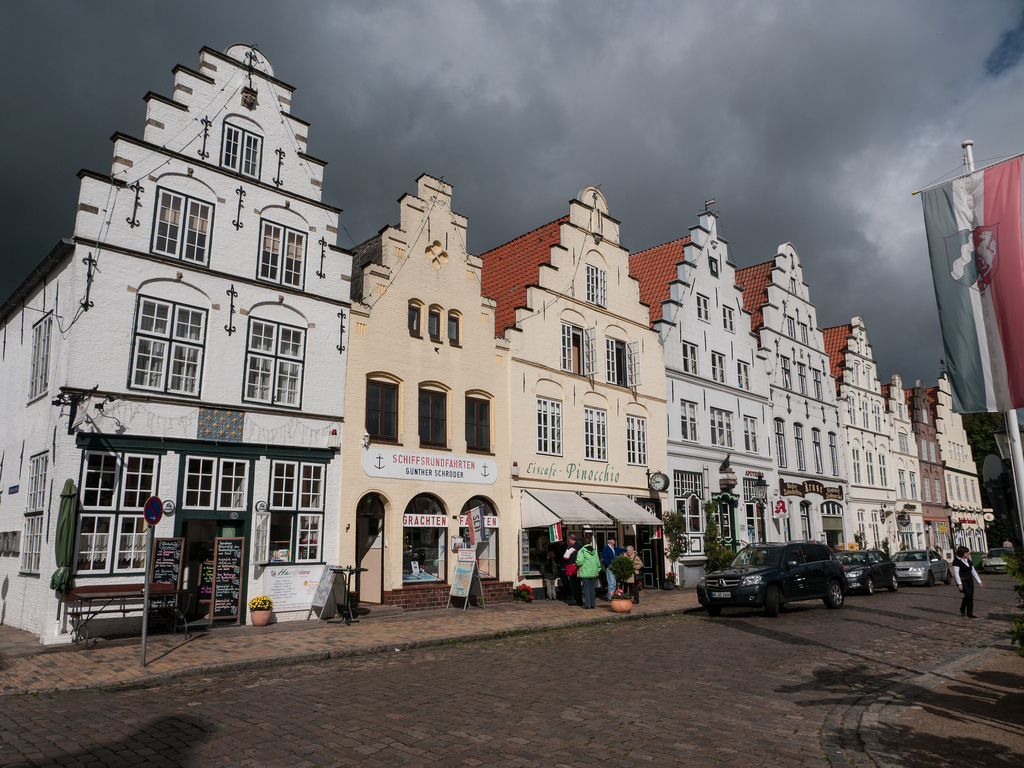









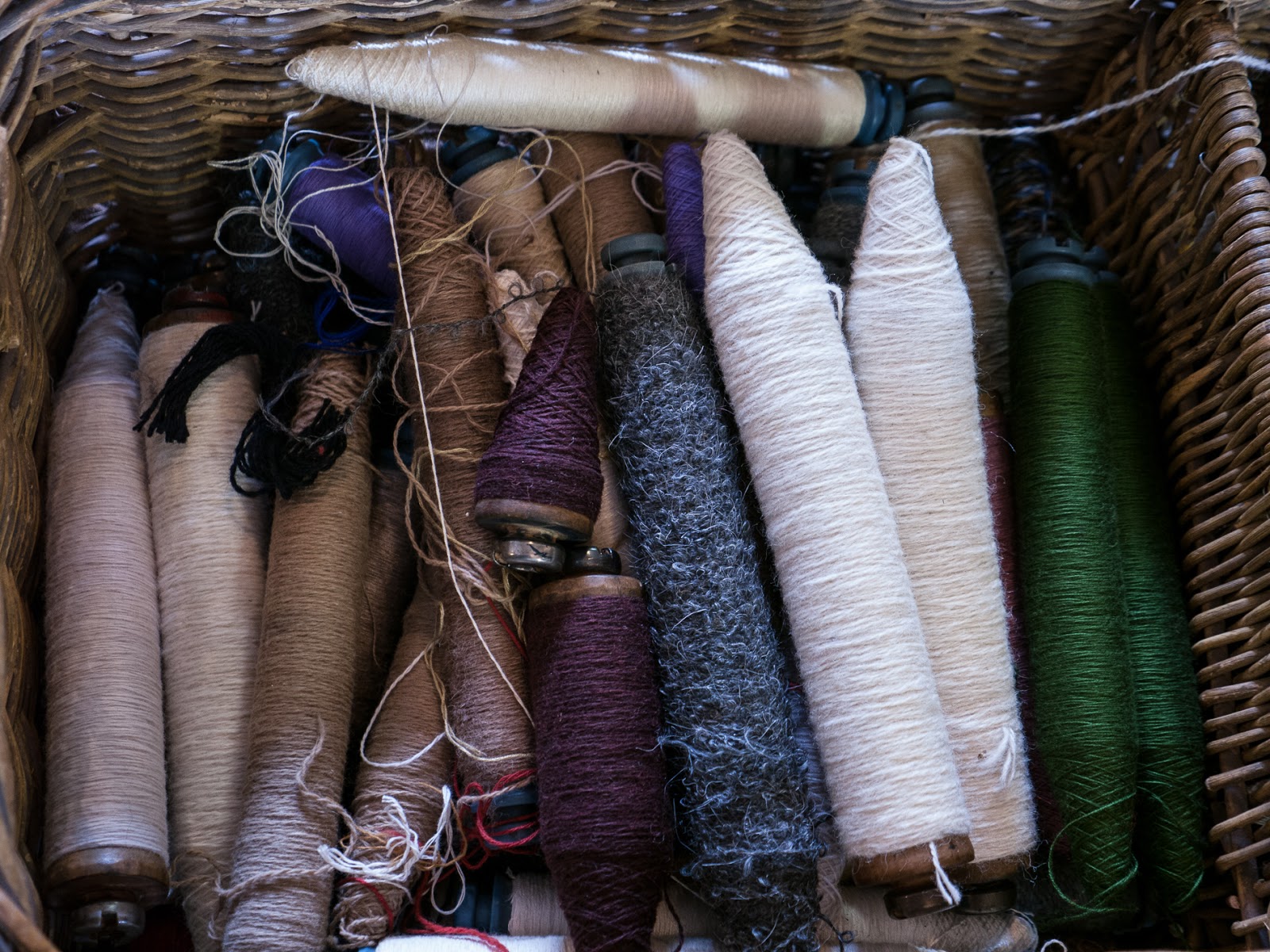
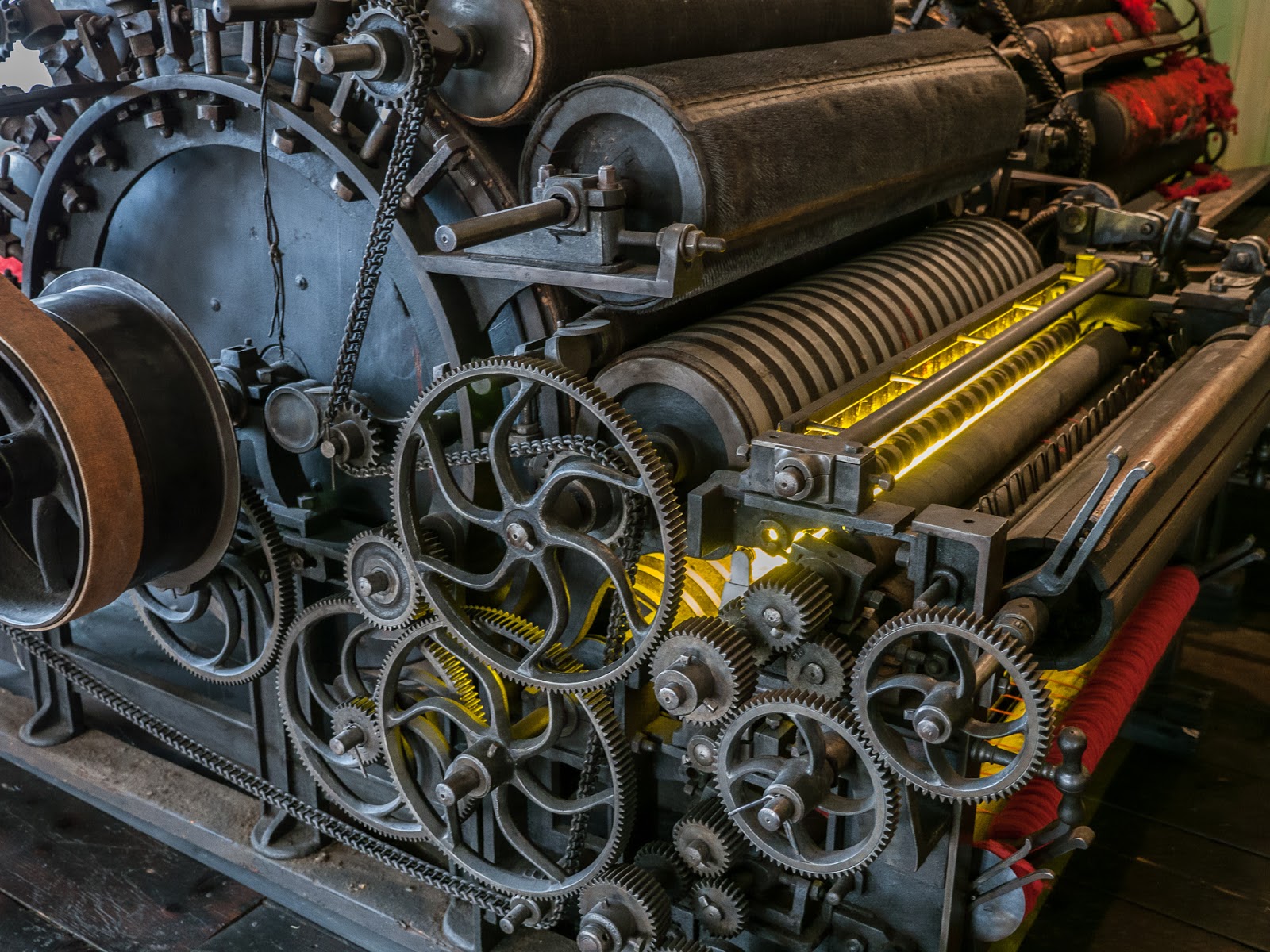


I have uploaded new pictures to Google+ and/or Flickr. Here they are - unsorted and uncommented. And correction of the last message: that was summer 2012. Oops!
Recently on the Internet (Black and White Edition)




I have uploaded new pictures to Google+ and/or Flickr. Here they are - unsorted and uncommented. This is the black and white version. And ouch, there are old things in there. Apparently not updated since summer.
German government: "Data protection authorities not responsible for NSA scandal". Well, that makes it easy, if as an affected party you simply declare the responsible supervisory authority as not responsible. Classic interior minister logic.
Freebase. Knowledge database number 2 - here people, places, events and all kinds of other things are collected and provided as a structured database with query via service. Just like DBPedia, I found this through the Quepy project.
wiki.dbpedia.org : About. Also interesting - here Wikipedia is searched and evaluated for structured information. So, in a way, a Wikipedia for machines is created from the Wikipedia for humans. The whole thing is then pre-packaged with a query language and a suitable web service.
Quepy: A Python framework to transform natural language questions to queries.. Cool - you can feed English questions into it and the system forms a structured query from them and then provides answers from Freebase or DBPedia. Quepy is the part that formulates the query from the natural language. So to speak, something like Wolfram Alpha if you only look at the knowledge queries.
Tweak Mode for Processing. This makes the sketch interactive while it is running - in one window the code runs with output, in the other window is the code. Drag with the mouse on numerical constants and the values change up or down and the output updates automatically accordingly. Nice idea.
You are Missing the Point of Promises. A bit old, but an interesting overview of what promises are and what they should be, how they lead out of the hell of callbacks and what the rather theoretical model behind it all has to offer. And where you can find it in JavaScript libraries and in which libraries it is rather neglected.