sattvik/neko. Also noted for later, Clojure for programming Android applications with a few bindings for the Android APIs. Although the question remains whether they have tackled the startup problem, or if that still limits the use of Clojure.
Archive July 2012
ActionBarSherlock - Home. For later use: this allows you to use the ActionBar in code even on older Android versions, it automatically uses a backport if no native ActionBar is available.
sirthias/pegdown. Interesting Markdown implementation in Java, based on a real parser and not the usual ad-hoc parsers or collections of regular expressions. Could be an interesting starting point for me, especially since it also comes as an Idea project and I should be able to integrate it quite easily.
Recently on the Internet



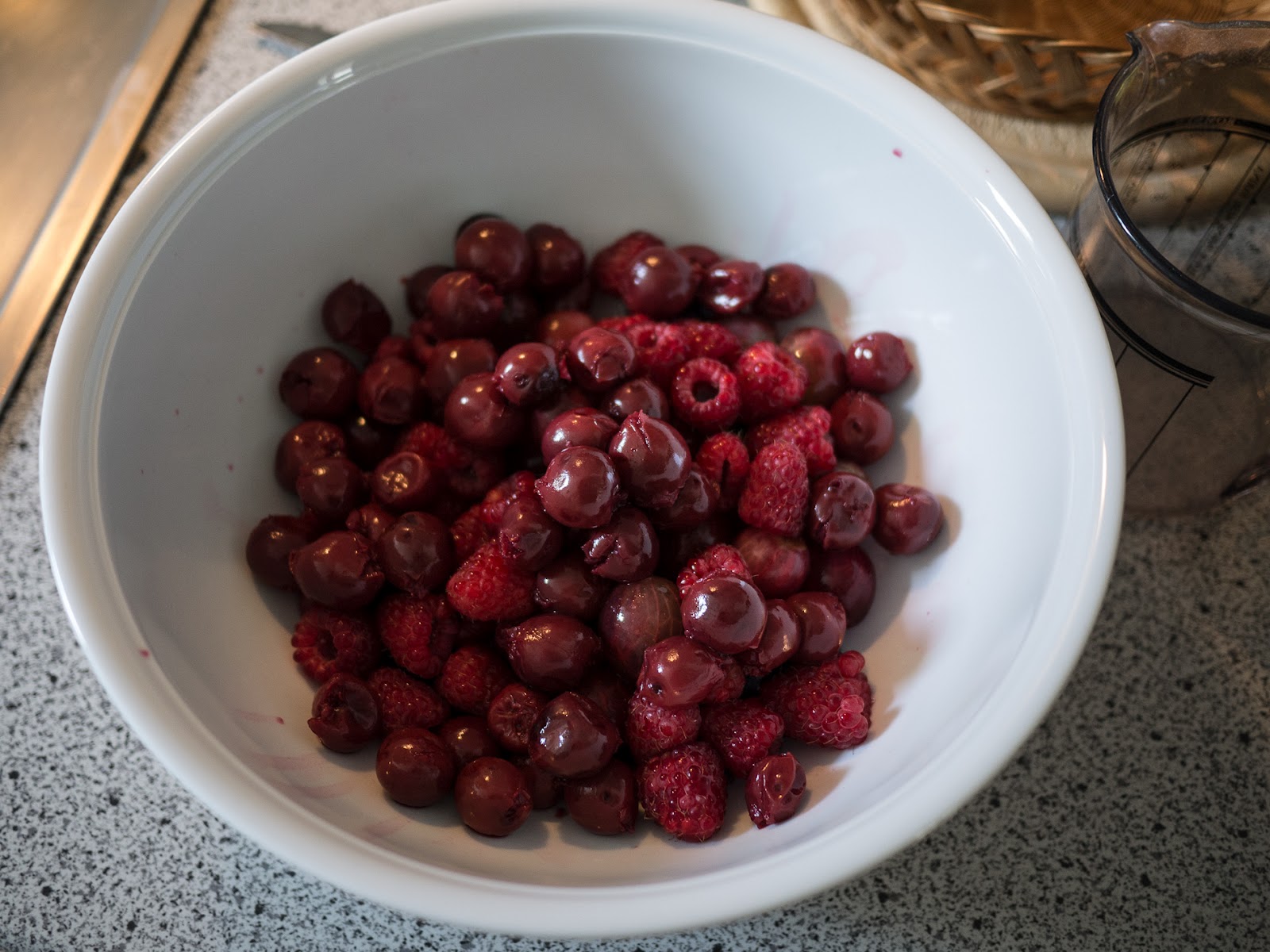

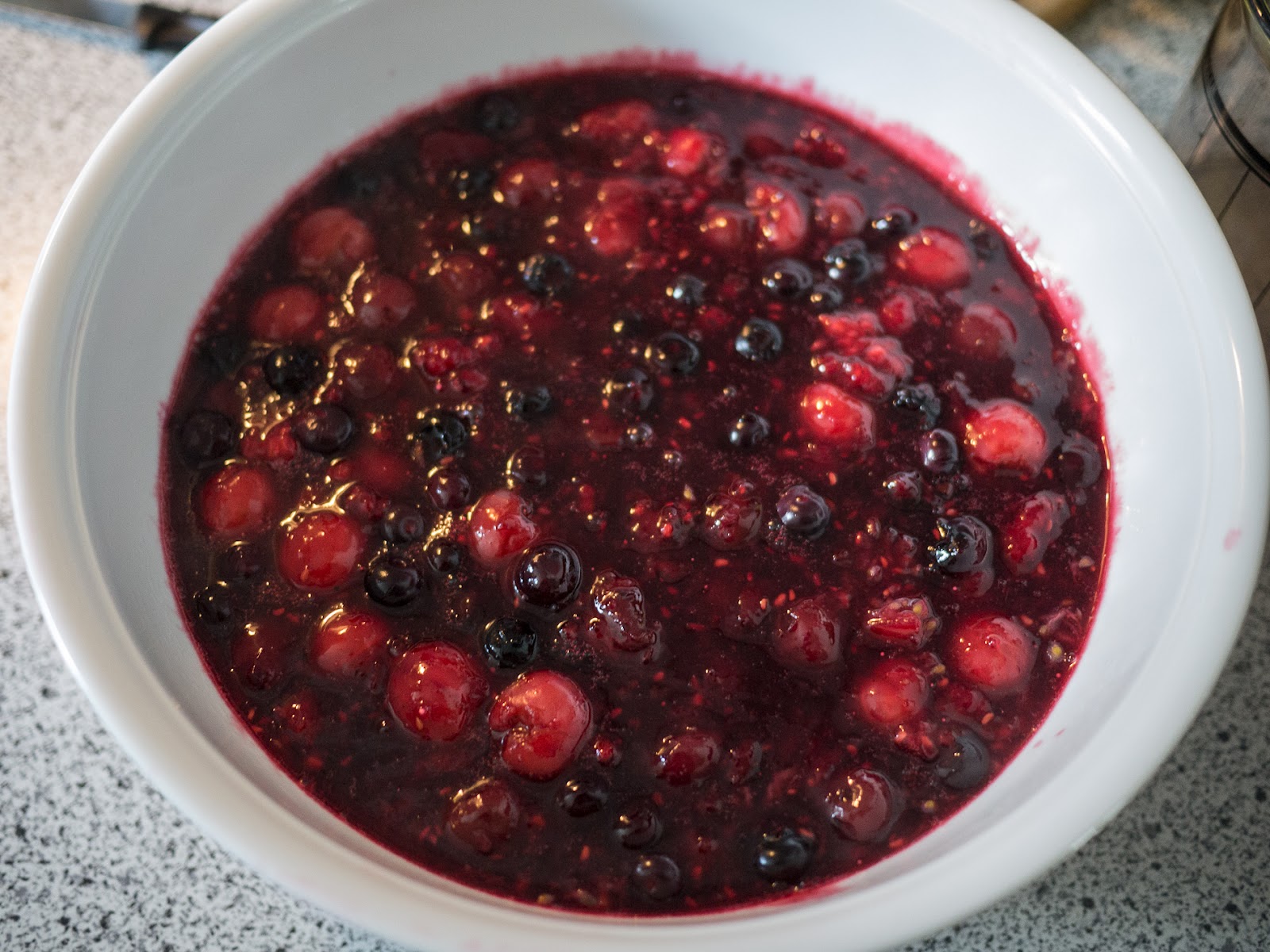


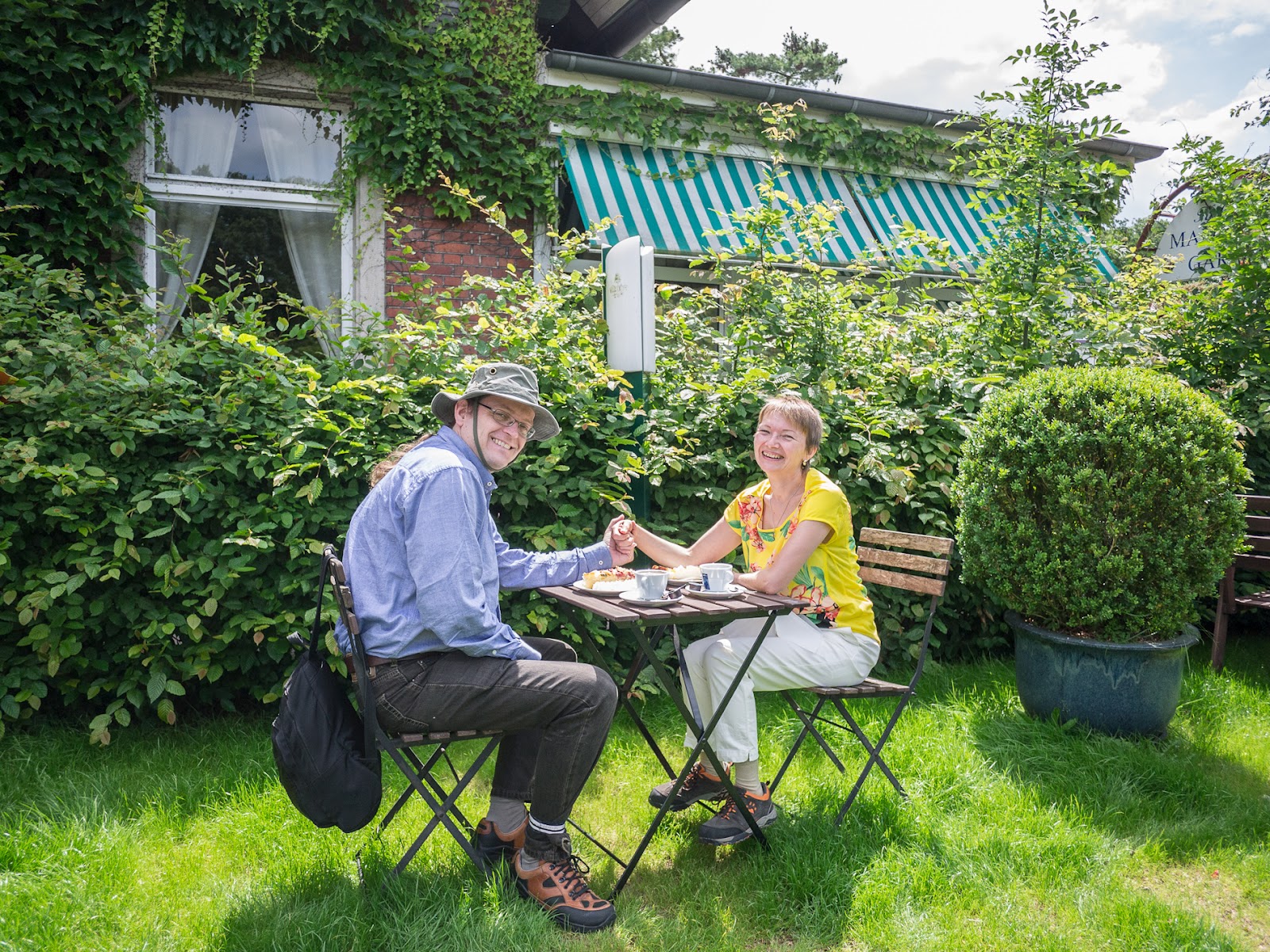
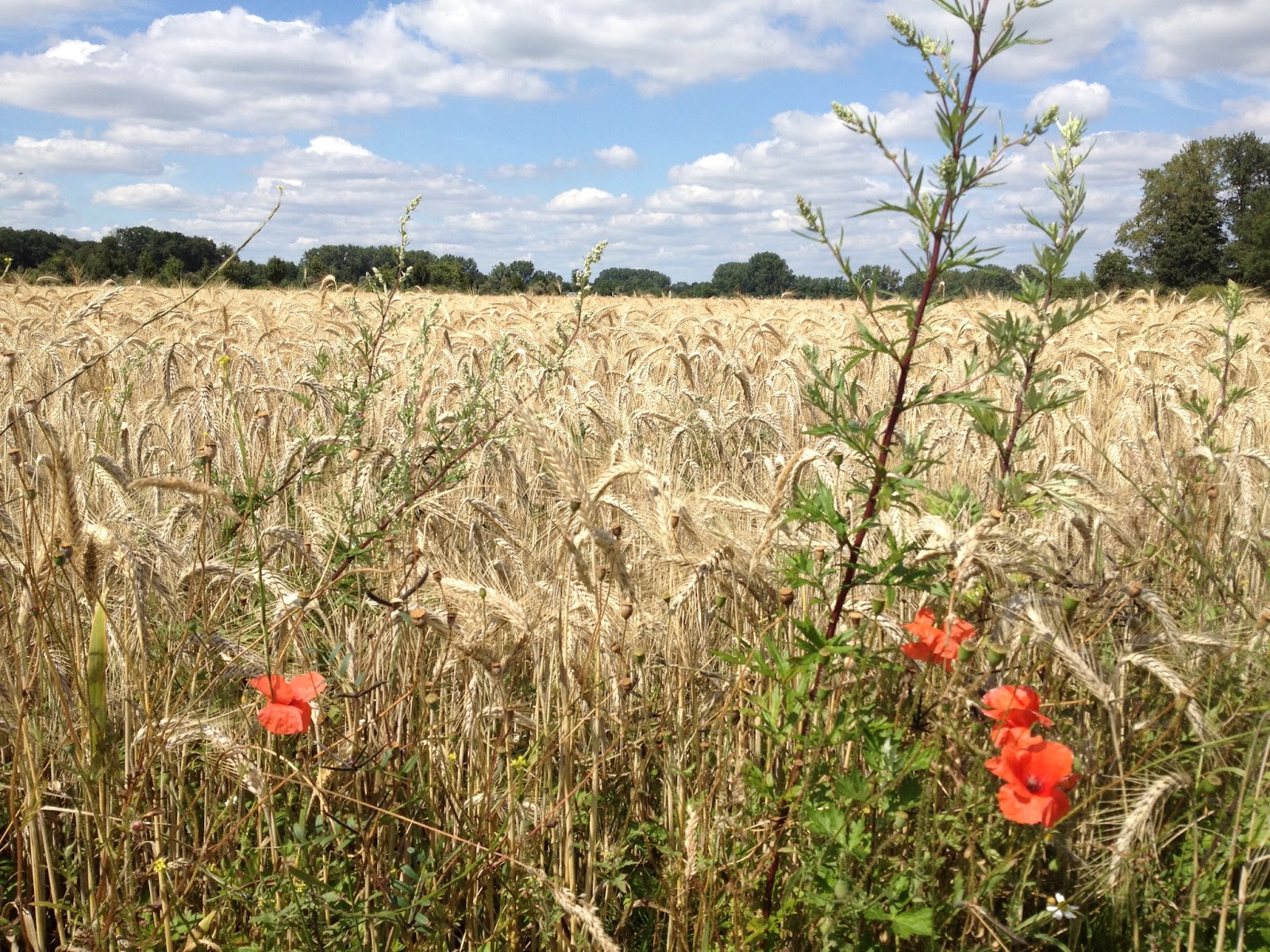
I have uploaded new pictures to Google+ and/or Flickr. Here they are - unsorted and uncommented.
Recently on the Internet (Black and White Edition)


I have uploaded new pictures to Google+ and/or Flickr. Here they are - unsorted and uncommented. This is the black and white version.
n8han/giter8. And another practical tool, not necessarily Scala-related, but very useful: templates stored on GitHub are used to set up project structures. There is also a template for Android projects that use Scala.
Getting started · jberkel/android-plugin Wiki. And here is the central element for Scala programming for Android. This provides various sbt commands that handle Android integration and delivery.
mpeltonen/sbt-idea. Hmm, interesting - an sbt plugin with which you can generate Idea project structures. With this, you can then use the IDE at the points where you want to use it on the same project. For example, for remote debug integration, the IDE is quite nice.
Android programming with Scala. A bit stilted language, but useful content. The article provides a nice overview of what you gain when using Scala for Android programming. I need to take a closer look at this myself, as typing in Java sometimes gets on my nerves. Additionally, a workflow with sbt and a normal editor sounds much leaner than the various Java IDE environments. And some Scala language features practically scream to be used in the Android environment (especially traits).
Postbox — Awesome Email. I was never really enthusiastic about Thunderbird, so the announcement that it would no longer be developed didn't bother me much. But the fact that Sparrow now belongs to Google and, according to the announcements, nothing more is to be expected from it, really annoyed me - it was one of the faster clients for gmail and also had usable feature support for it. The Apple Mail client is rather stiff in comparison. Postbox claims to support gmail features, so it might be worth a try if Sparrow can no longer be used reliably due to bit rot.
Facebook analyzes chats for crime fighting. Is this then under the project name "fully automatic informer"?
Sitaramc/gitolite. Nice little tool for easily setting up repositories that others should also have access to - management is done through a dedicated admin repository.
OrmLite - Lightweight Object Relational Mapping ORM Java Package. Let's take a closer look, an ORM that can also be used in Android. Programming SQLite directly with SQLiteDatabaseHelper just isn't that much fun for me. It's a bit too low-level.
Create a package for Android for Kivy. I think I need to take a closer look at Kivy. They are now working with Python for Android, their own Python distribution that brings a customized interpreter for Android and a coupling via Cython, NDK, and JNI to the Android SDK. This way, you can produce real APKs that can be installed normally on devices - but write everything that makes up the application itself in Python. Of course, the question remains how fast it will run - Python is interpreted after all. But it would definitely be interesting for tools, especially since you can also run Kivy applications more or less directly under desktop systems.
Plop: Low-overhead profiling for Python. I need to take a closer look at this, it could be very interesting for the company's servers, especially the low profiling overhead of only 2% sounds exciting. And the visualization is definitely one of the better ones for Python profilers.
Custom Drawn Interface/Android - Lazarus wiki. Hah, there is also quite a bit for FreePascal and Lazarus (the FP IDE with a touch of Delphi) regarding the programming of Android apps. It's all still a bit wobbly and hacky, but it's making progress. The idea is quite funny - a minimal Java app with minimal activity and then the integration of Pascal code via JNI. The idea there is to be able to continue using the LCL - the GUI library of Lazarus - so that you can program across systems. And you can then also use the built-in GUI Builder.
Basic4android Basic for Android - Rapid Application Development. Heh, nice, a kind of Visual Basic for Android. Unfortunately only for Windows. Too bad.
Android - Processing. Oh, that's interesting. The latest Processing 2.0 Alpha can also directly support Android - and it's really simple, just write a Processing app, switch to Android and use "Run on device" to bring it all to the device and start it there. That sounds really interesting for the typical small hacks, especially if you want to play around with graphics (that's the focus of Processing).
necessitas / Home / necessitas. Hmm, sounds quite interesting - a QT version for Android including an IDE for programming apps. Maybe I'll check it out when my Nexus is here.
Lion: Mobile Backup Turn off local Time Machine | Jan-Kaspar Münnich. No idea if I already had this, too lazy to search, but if the local Time Machine backups are annoying (e.g. with smaller SSDs, this is anything but practical, especially if you occasionally perform larger file operations), you can turn them off with tmutil disablelocal and turn them on with tmutil enablelocal. For example, when performing larger cleanup tasks, it makes sense to turn them off, even if you activate them later to have the additional work safety. Or you simply archive everything on the notebook in git or mercurial, then you naturally don't need local backups either.
Ymacs -- An Emacs-like editor for the Web. As the title says. Emacs now also boots in the browser. However, there is still no usable editor for Emacs.
Lumiya Viewer - About Lumiya. Very nice - a graphical SL and OpenSim client for Android. I must definitely try this out in a few days. For iOS, I still only know Pocket MV, but it can only do maps, chat, and stuff like that, no graphical rendering of the environment.
Soulvers Features | Acqualia. "Calculator" rethought. I wonder why so many desktop computer calculators desperately try to replicate the UI of old pocket calculators. On mobile devices, it makes sense - the pocket calculator UI with multi-function keys is quite efficient for such small form factors - but on the computer, I much more often simply use a Python shell or an iPython notebook. Soulver is a bit like that, only focused on classic calculations and with linking of lines, so that you can build spreadsheet-like solution sheets. Quite clever.
Samsung: Compact camera EX2F with extra bright lens - Golem.de. It then came completely unexpectedly out of the blue into play. I don't think anyone had it on their radar - if I were still looking for an interesting compact camera, this would be one of the more interesting devices alongside the Sony RX100. However, for me, the GF3 has now taken the place of compacts, and even the RX100 can't keep up with it.
iBookstore blocks Czernin anthology as ‘too explicit’. That's where all understanding stops - control fetishism and prudery don't go together. And unfortunately, no longer just of American origin - in .eu, the UK is just developing something like this as a "standard" for itself. Beautiful new dumbed-down world ...
Fuse4X – The Easiest and Fastest Way to Create File Systems for Mac OS X. MacFuse is currently going the way of the dodo, so there's a need for an alternative if you want to load userspace filesystems (e.g., if you want to mount an SSH server). This version also looks more interesting than OSXFuse, because OSXFuse primarily aims for compatibility with the old MacFuse, while Fuse4X primarily aims for compatibility with the Linux reference and should make porting userspace filesystems easier.
Epistle - Android Apps on Google Play. And another Markdown editor for Android, which is less Wiki and more a simple Markdown editor, but still quite interesting - it also comes with Dropbox support.
JWBs blog: Ema Personal Wiki for Android and Windows. Since I was just talking about Markdown - here's a personal wiki that uses Markdown for various systems, including Android. According to the description, it's quite similar to Vim Wiki.
OscarGodson/EpicEditor. That sounds interesting - a web editor that doesn't just produce HTML, but Markdown. Could be interesting for some projects.
Blackmagic Design: Blackmagic Cinema Camera. Wow, that thing is really cool. So to speak, the mirror-less video option for Canon, one could say - because it has an EF mount. It looks really sleek, the price of $3000 without SSD though.
Cloud Party. Sounds interesting - a bit like Second Life in the browser with WebGL. Seems to really focus on the core features of SL: building and customizing. I should try playing around with it.
Repo.js. I found the Source-Highlighter through this - a small jQuery plugin that easily embeds a GitHub repository into a website. Very practical if you want to integrate your projects into your own websites and don't want to hand over the entire website to GitHub.
isagalaev/highlight.js. Just stumbled upon it, a small JavaScript source highlighter that works with a language heuristic and thus does not require explicit specification of the language to be colored - it simply tries all languages and takes the one with the most recognized syntactic elements. There is also a jQuery VanGogh jQuery plugin for this.
ErlPort - Erlang port protocol for Python. A somewhat different approach to distributed communication is this module, which simply implements Erlang's built-in communication tools (ports and terms). With this, you can build systems that use Python or Erlang as the implementation language, depending on your needs.
Hurricane. Sounds interesting, it's a distributed messaging system that works with various languages and thus offers integration of different systems. Among other things, it includes Python with WSGI and Ruby with Rails, making a distributed system based on Rails and Django conceivable. Additionally, there is a process manager, with which the processes themselves only need to handle standard I/O and then can be directly managed by Hurricane. I could imagine using this for one or the other project at the company.